


AI, cognitive atrophy, and the myth of Theuth
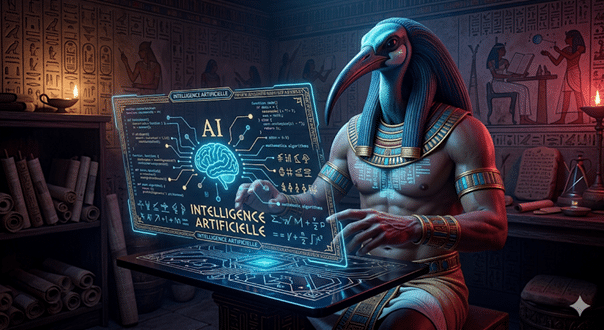
More and more students are using generative artificial intelligence, often secretly, for various academic assignments. While seeking information, requesting clarification of concepts, and translating a few words are acceptable; however, complete writing is a clear fraud. Various studies have shown that this behavior leads to cognitive atrophy: in fact, the culprit often cannot summarize their thoughts; in other words, they can receive a good grade if not caught, but they will have learned nothing.
A study also showed that 83% of AI users could not remember a passage they had just written for an essay. Additionally, according to another study, using a chatbot to write an essay would reduce the cognitive engagement and intellectual effort needed to transform information into knowledge. Other works show that individual gain can be significant when authors ask ChatGPT or another system to improve their texts, but the overall creativity of the group decreases. In summary, we would be dealing with a new type of intellectual laziness.
It should be remembered that there are two types of students: those who come to obtain a diploma and those who want to acquire skills. In a work by Plato, the myth of Theuth is presented. Without going into details, it evokes the consequences of the invention of writing, fearing that it would lead to an atrophy of memory and an illusion of knowledge. But it is clear that the consequences have been positive for humanity.
Two and a half millennia later, while generative artificial intelligence alters our educational practices, this warning resonates with remarkable timeliness. And the parallel with the invention of writing can be a source of reflection. From then on, two points of view clash: pessimists see a decline in cognitive abilities, while optimists see it as an amplifier of human reasoning.
The future will tell.
